
Storm Damage Tree Services in Chittenden County, Vermont
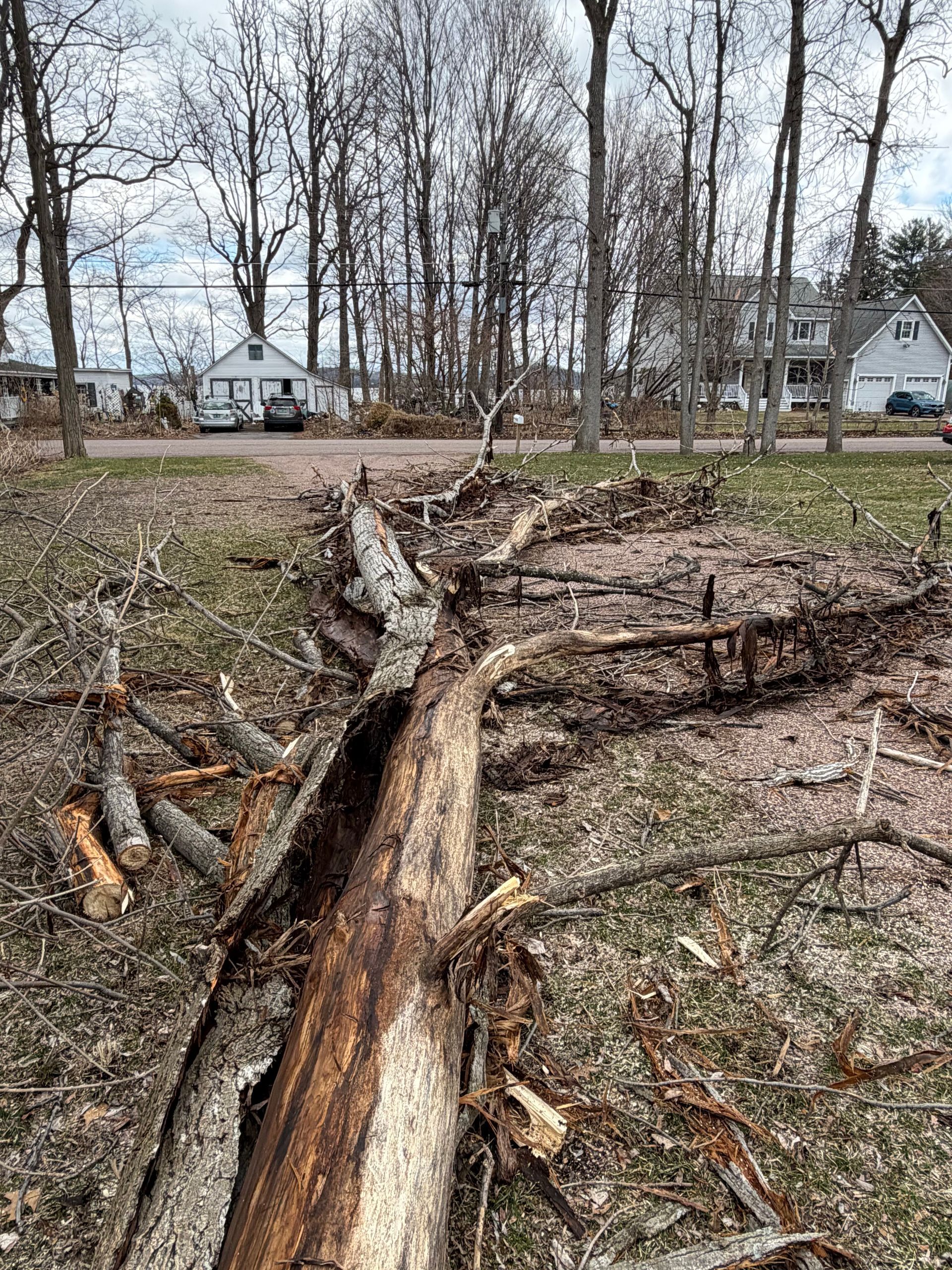
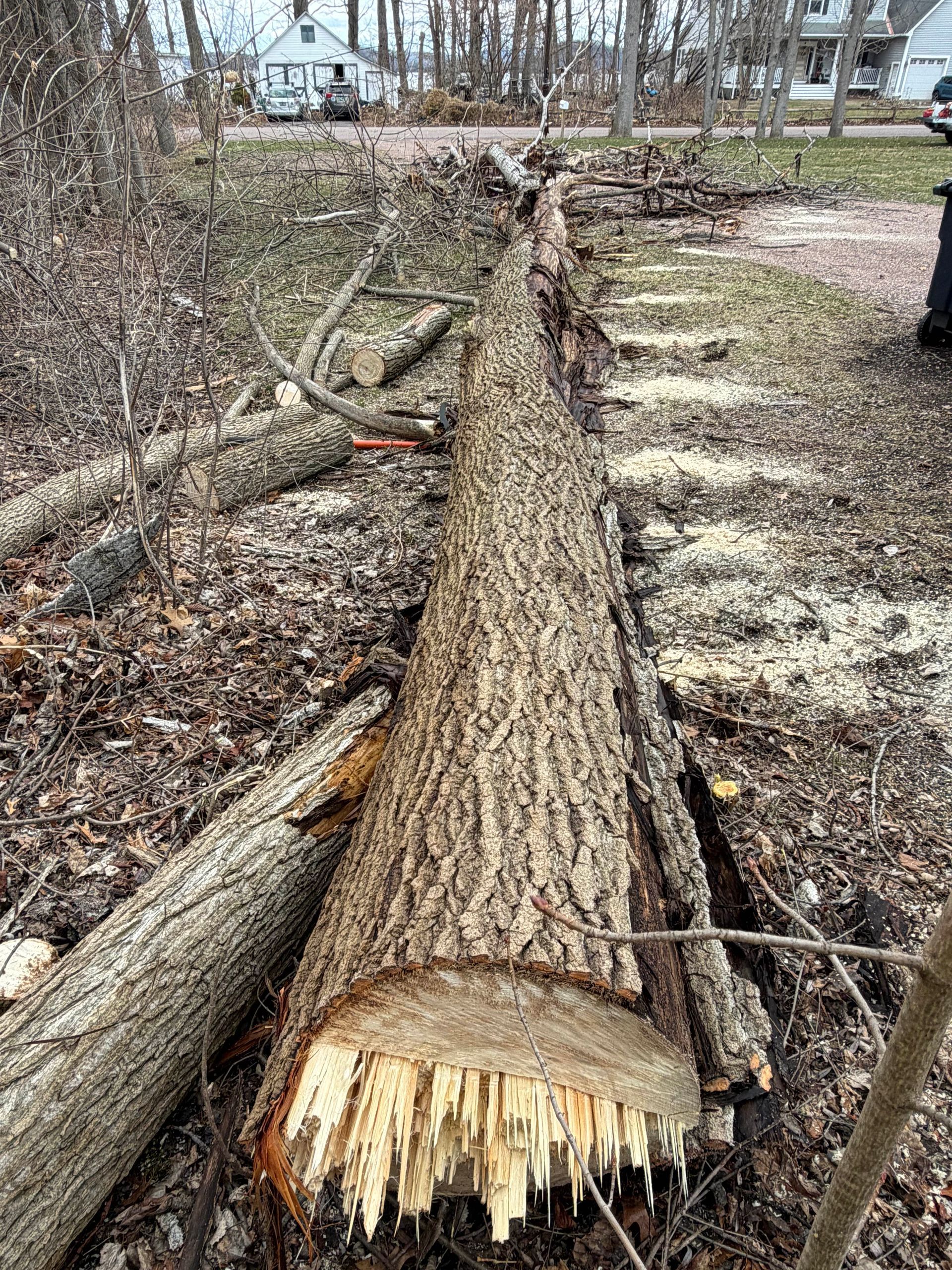
Emergency Tree Response for Storm-Hit Properties
Vermont does not ease into its worst weather. Nor’easters arrive fast, ice storms coat every branch overnight, and summer thunderstorms split century-old maples without warning. What follows is predictable: trees across driveways, limbs on rooflines, and root balls lifted out of saturated ground. The clock starts the moment the storm passes. At Avalon Sunset Tree Services, storm damage work is handled with more than 25
years of hands-on arborist experience, careful planning, and a safety-first approach. A delayed response can turn a manageable cleanup into a far more serious structural problem, so every storm-damaged tree is assessed with urgency and control.
Service is available throughout Chittenden County, Vermont, and surrounding areas, including Burlington, Winooski, Essex Junction, and Shelburne. When storms leave trees broken, leaning, or blocking the places people need to use, the focus is on removing the danger without creating more damage in the process. Each situation is assessed carefully, the immediate hazards are addressed first, and the property is brought back to safer, usable condition.
Storm damage assessment is never straightforward. A tree that looks stable from the street may have a fractured root system barely holding it upright. A branch resting gently on a gutter line may be exerting hundreds of pounds of pressure. That is why storm work requires experience, patience, and the ability to work in tight or difficult areas where cranes or bucket trucks may not be practical. When the storm leaves questions behind, call before the damage gets a second chance.
What Gets Handled After the Storm
Emergency Fallen Tree Removal
When a tree comes down across a structure, vehicle, driveway, or access route, response time matters as much as technique. The situation is assessed first, then the fallen tree is removed using the safest, most controlled method for the conditions on the ground.
Hazardous Hanging Limb Removal
Storm-suspended branches, often called widow makers, are among the most dangerous post-storm hazards on any property. These partially detached limbs can fall without warning. Hanging limbs are located and removed carefully so the overhead area can be made safer before people return beneath the canopy.
Partially Uprooted Tree Assessment and Removal
A tree lifted partially out of the ground by saturated soil and high winds may look recoverable, but often is not. The root damage is assessed honestly, and removal is recommended when the tree can no longer stand safely.
Storm-Damaged Tree Pruning and Salvage
Not every storm-affected tree needs to come down entirely. When the damage is limited to broken limbs, split branches, or torn bark, targeted pruning can remove the compromised sections and give the tree a chance to recover. Salvage is considered before removal when the tree still has a safe and healthy future.
Roof and Structure Clearance
Trees or large limbs resting on roofs, gutters, decks, and outbuildings require careful removal to avoid making the existing damage worse. Controlled cutting, rigging, and step-by-step removal are used where needed to clear debris from structures as safely as possible.
Knowing What to Look for First
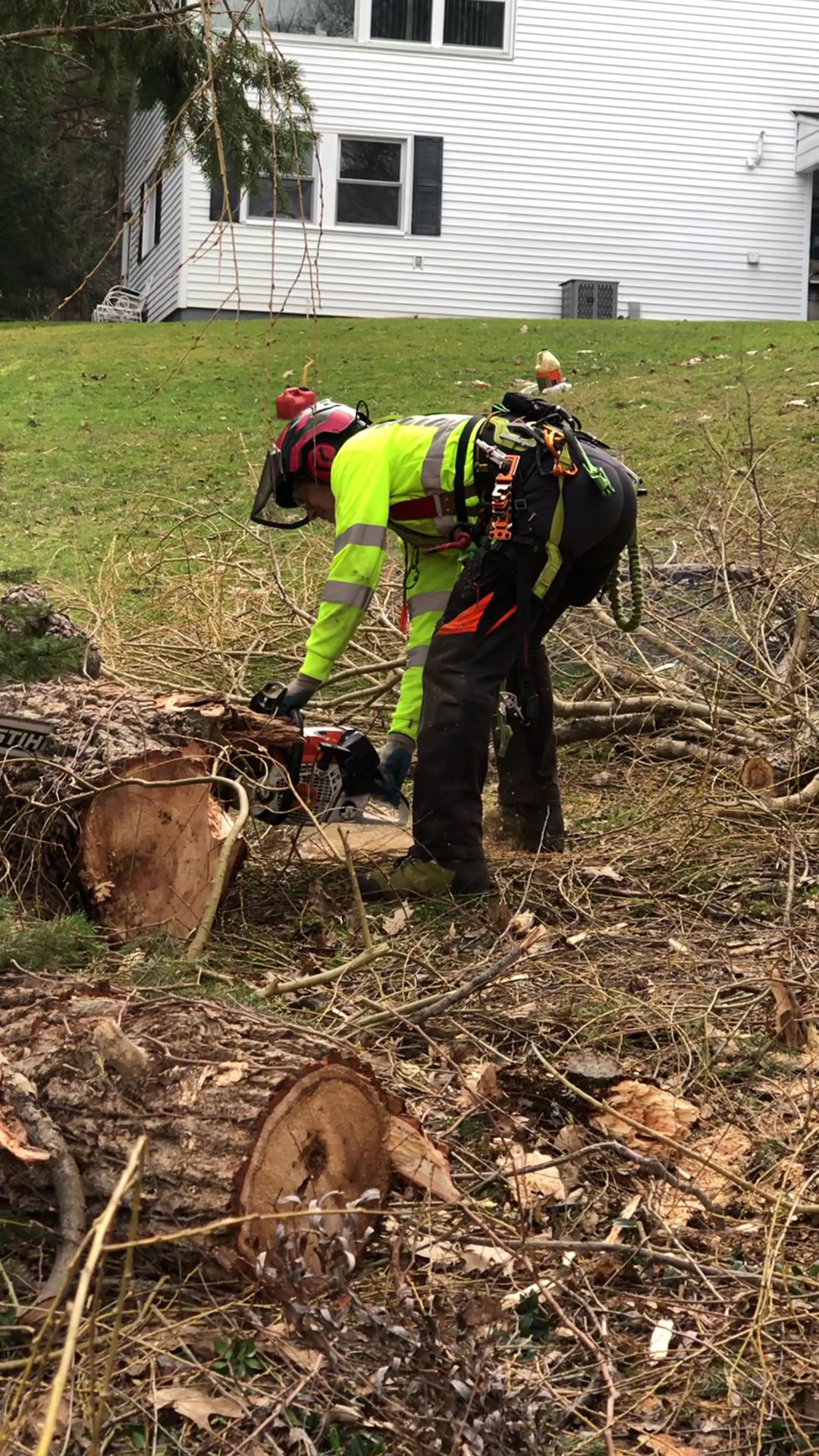
Post-storm conditions are unpredictable, and the decisions made in the first hours matter. A tree that looks stable may have a fractured base. A limb resting lightly on a gutter may be transferring serious weight onto the structure beneath it. Reading those situations accurately requires experience that cannot be rushed.
Avalon Sunset Tree Services
has responded to storm damage through decades of nor’easters, ice events, and summer wind storms. That experience shapes every assessment: highest-risk hazards first, careful removal planning next, and cleanup only after the dangerous conditions are under control. Storm-damaged trees often sit in tight, unstable, or hard-to-access areas. In those cases, climbing skill, rigging, and controlled removal can be more practical than relying on a crane or bucket truck. The goal is simple: make the property safe without taking unnecessary risks.
What You Stand to Lose Without Professional Storm Response
Reduces Long-Term Tree Decline
Storm stress weakens a tree’s natural defenses, making it more vulnerable to disease, pests, and future decline. Professional pruning or removal of damaged material gives the remaining healthy structure a better chance to recover.
Protects Underground Utility Infrastructure
Uprooted trees and displaced root systems can affect buried water lines, gas pipes, irrigation, and electrical conduits. Careful removal helps reduce the chance of creating secondary damage during cleanup.
Limits Liability Exposure for Property Owners
A storm-damaged tree left unaddressed can remain a serious responsibility for the property owner. If it falls later and damages a neighboring structure or injures someone, the consequences can be costly. Prompt professional response helps reduce that risk.
Preserves the Surrounding Landscape
Fallen trees and heavy debris can damage lawns, gardens, shoreline areas, and nearby plantings if removed carelessly. A controlled approach helps protect the surrounding landscape while the storm debris is cleared.
Speeds Up the Property Recovery Timeline
Every day a damaged tree remains on a structure, driveway, or access point slows down the recovery process. Professional storm response allows inspections, repairs, and normal property use to resume sooner.
Provides an Honest Assessment of Every Affected Tree
Not all storm-damaged trees require the same response. Some need full removal, some can be pruned, and some may be stable enough to monitor. Each affected tree is evaluated based on actual risk, not guesswork or unnecessary removal.
FREQUENTLY ASKED QUESTIONS
Is it safe to approach a storm-damaged tree on my own to assess the damage?
It is rarely safe to approach a storm-damaged tree without professional assessment first. Suspended limbs, fractured trunks, and destabilized root systems can shift or fail without warning. Stay well clear of the affected area and allow a trained professional to evaluate the situation before anyone gets close.
What should I do immediately after storm damage affects trees on my property?
Keep people and pets away from the damaged area, avoid parking vehicles beneath compromised trees, and document what you can safely photograph from a distance. Then contact a professional storm damage specialist as soon as possible so the hazard can be assessed before conditions worsen.
How quickly can storm damage be handled after a major weather event?
Response times vary depending on the number of calls after a widespread storm. Situations involving active structural damage, blocked access, or immediate danger are typically the highest priority. Calling as soon as the storm passes gives you the best chance of being assessed quickly.
Can a tree that has been partially uprooted be saved?
In rare cases involving very young trees with minor root disturbance, re-anchoring may be possible. Most partially uprooted trees have sustained root system damage that makes long-term survival unlikely. A professional assessment will determine whether saving the tree is realistic or whether removal is the safer choice.
How are storm damage jobs prioritized?
Storm damage calls are assessed based on the severity of the hazard. Trees on structures, blocked driveways, dangerous hanging limbs, and trees threatening occupied areas are handled as urgent concerns. Less critical cleanup work is scheduled based on safety, access, and availability.
Will my homeowner’s insurance cover storm-damaged tree removal?
Coverage varies by policy, insurer, and the details of the damage. Many policies cover removal when a fallen tree damages a covered structure. Documenting the damage with photos and contacting your insurance provider directly is the best first step.
What makes storm damage tree work more complex than standard tree removal?
Storm-damaged trees are unpredictable. Fractured wood, hanging limbs, saturated roots, and contact with structures create risks that do not exist in a planned removal. Each storm job requires careful assessment, controlled cuts, and sometimes climbing or rigging when cranes or bucket trucks are not practical.
Do you also handle storm cleanup for commercial properties?
Yes. Storm damage tree response and debris clearing are available for commercial properties, residential properties, rural land, and lakefront properties. Every job is handled based on the risk, access, tree condition, and surrounding property.
Contact Us
Thank you for contacting us.
We will get back to you as soon as possible.
Oops, there was an error sending your message.
Please try again later.
why choose us
Experienced Tree Care Professionals
I bring the knowledge, skill, and attention to detail needed to handle tree felling, pruning, and branch removal safely and efficiently. I am committed to delivering quality workmanship on every project, no matter the size.
Reliable Storm Damage Response
I understand that storm damage can create urgent safety concerns, which is why i respond quickly and work efficiently to restore your property. My goal is to minimize hazards and help you regain peace of mind as soon as possible.
Safety-First Approach
I prioritize the safety of my customers, their properties, and myself throughout every job. By following proven industry practices and using professional equipment, I complete my work with care and precision.
Local Service You Can Trust
As a local business serving Chittenden County, VT, and the surrounding areas, I take pride in building lasting relationships within my community. I provide honest recommendations, dependable service, and personalized solutions tailored to each customer's needs.
When the Storm Clears, Safety Comes First
The storm does not get the last word on what happens to your property. What comes next depends on how quickly and how carefully the damage is addressed. A downed tree ignored for days can become a more complicated problem. A suspended limb left unattended can become a genuine danger to anyone who walks beneath it. For more than 25 years, storm damage tree work in Chittenden County, Vermont, has been handled with steady judgment, proper technique, and respect for the property around every tree. The job is not just clearing debris. It is restoring order, protecting structures, and making sure the property is safe to use again. Whether the damage involves a fallen tree, hanging limbs, a partially uprooted trunk, or a hard-to-access storm hazard, the work is approached with safety, honesty, and control from the first assessment to final cleanup.