
Tree Pruning and Branch Removal in Chittenden County, Vermont
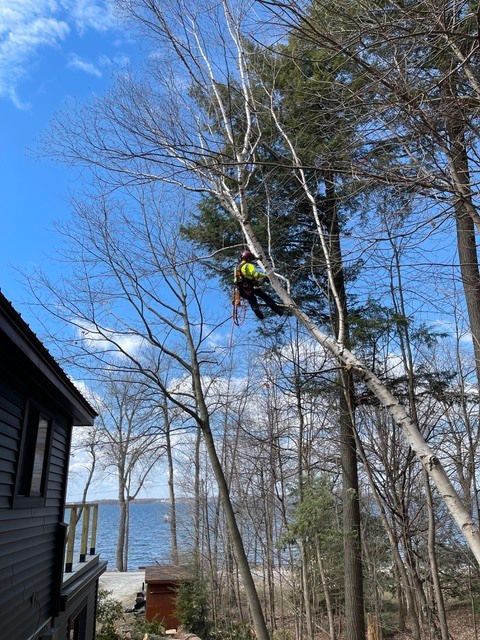
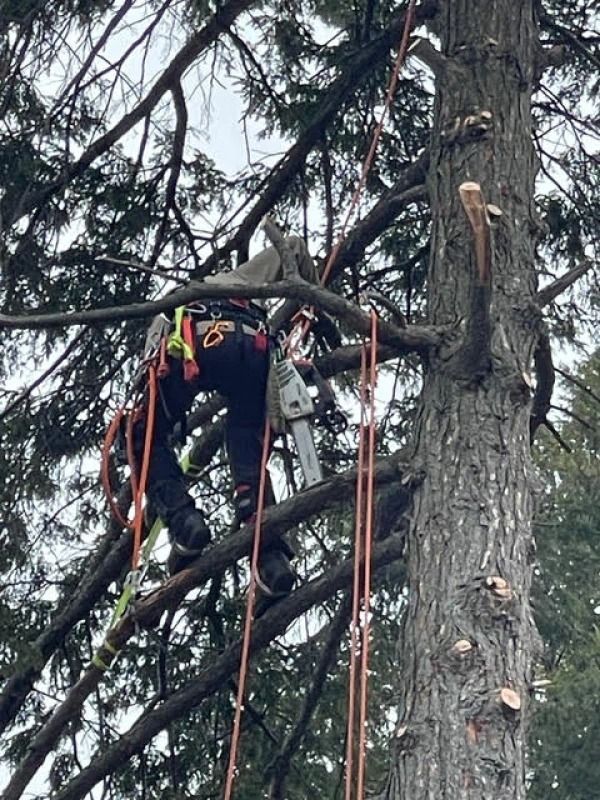
Smarter Branch Removal for Healthier Outdoor Spaces
Most trees do not fail overnight. They deteriorate gradually, one neglected branch at a time, until a storm or a heavy snow load turns what should have been a manageable pruning job into a full emergency. At Avalon Sunset Tree Services, tree pruning in Chittenden County, Vermont and surrounding areas, is handled with more than 25 years of hands-on arborist experience, careful planning, and respect for the property around each tree. A well-pruned tree is not just more attractive. It is safer, longer-lived, and far less likely to become a liability during Vermont’s demanding weather.
The focus is always on purposeful pruning, not unnecessary cutting. Each tree is evaluated for structure, growth pattern, health, access, and risk before any branch is removed. This approach supports safety, appearance, and long-term durability without stripping away the character of the tree.
Pruning done correctly requires more than knowing which branches to remove. It requires understanding how the tree will respond, how weight redistribution affects the canopy after cuts are made, and how each species heals differently. That level of care matters even more on hard-to-access trees, lakefront properties, and areas where cranes or bucket trucks are not practical.
What Tree Pruning Services Cover
Crown Thinning
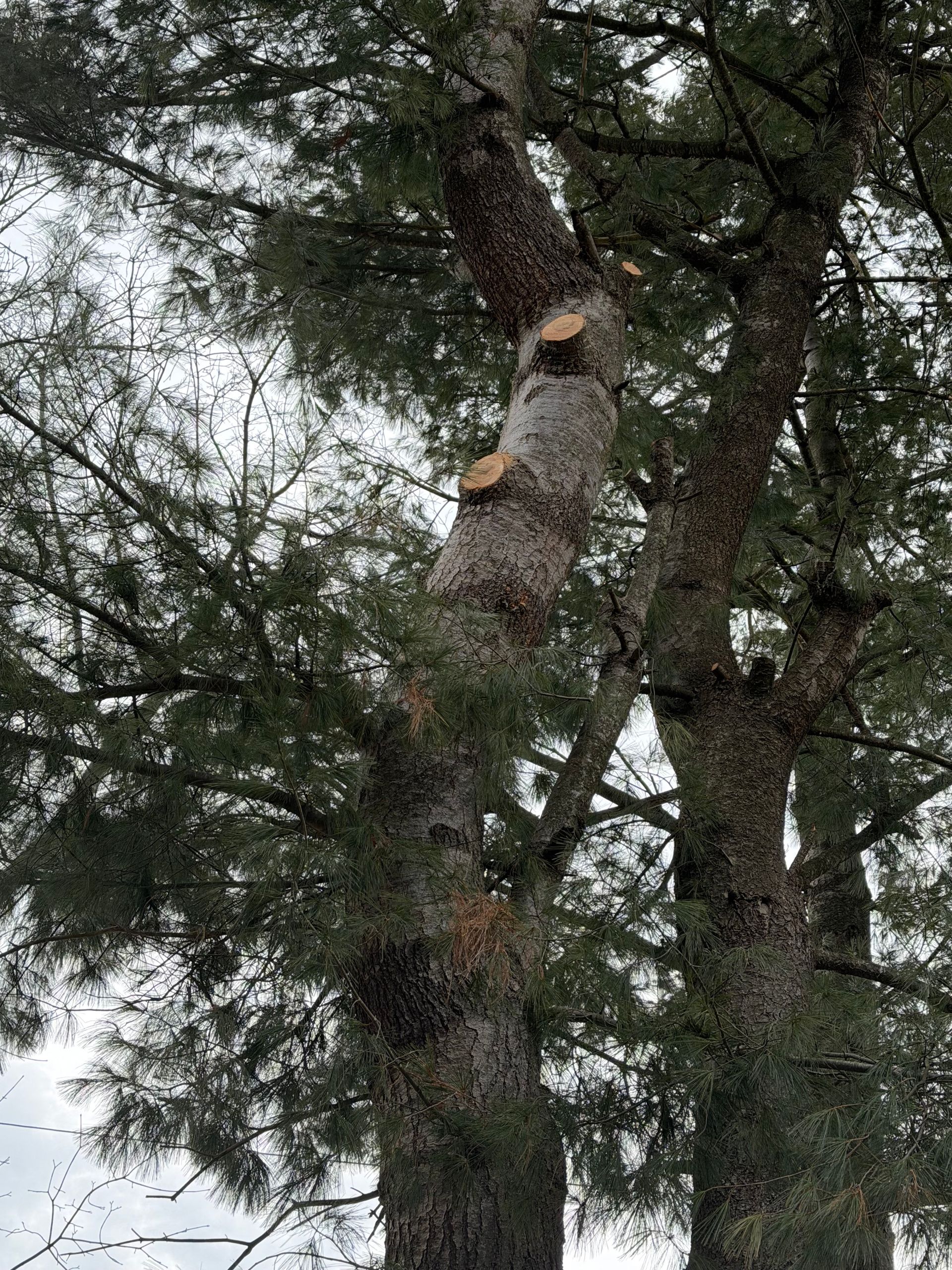
Crown thinning selectively removes interior branches to reduce canopy density without changing the tree’s natural shape. The result is better light penetration, improved airflow, and reduced wind resistance during storms.
Dead Wooding
Dead branches are a structural and safety concern. They lose strength, become brittle, and can fall without warning. Dead wood is removed carefully throughout the canopy to reduce hazards while protecting healthy growth.
Crown Lifting
Crown lifting removes lower branches to raise the base of the canopy. This improves clearance for pedestrians, vehicles, driveways, lawns, gardens, and sightlines while giving the tree a cleaner, more balanced appearance.
Hazardous Branch Removal
Cracked limbs, branches resting on structures, and growth with visible decay need prompt attention. Hazardous branches are removed with a controlled approach that reduces immediate risk without disturbing the rest of the canopy unnecessarily.
Clearance Pruning Near Utilities and Structures
Branches growing into rooflines, gutters, power lines, outbuildings, and driveways create ongoing maintenance problems and safety risks. Targeted clearance pruning helps redirect growth away from structures while keeping the tree healthy and properly shaped.
Lakefront View Pruning
Lakefront tree pruning requires extra care. Branches can often be thinned or selectively removed to improve lake views without over-clearing the property. This work is especially useful where cranes or bucket trucks cannot easily reach shoreline areas.
For lakefront properties, pruning is planned with awareness of town and state shoreline rules, including the Vermont Shoreland Protection Act, which regulates vegetation management within 250 feet of the water. The goal is to improve the view while staying mindful of the property, the trees, and applicable shoreline requirements.
Why Tree Pruning and Branch Removal Is Worth Doing Right
Reduces the Risk of Branch Failure
Heavy, extended limbs and branches with weak attachment points are more likely to fail under snow load or high winds. Regular pruning removes compromised growth before it drops, helping protect structures, vehicles, fences, and people below.
Promotes Long-Term Tree Health
Removing dead, diseased, and crossing branches helps reduce decay, fungal issues, and pest activity. Clean pruning cuts allow the tree to recover more efficiently and direct energy toward healthy growth.
Improves Sunlight and Air Circulation
A dense canopy can block light and restrict airflow. Strategic thinning opens the canopy, reduces moisture buildup, and allows more sunlight to reach lawns, gardens, lower vegetation, and outdoor living spaces.
Shapes Growth Away from Structures
Trees growing toward roofs, gutters, driveways, power lines, and outbuildings create problems that get worse over time. Directional pruning helps guide growth away from structures before more aggressive cutting becomes necessary.
Improves Lake and Landscape Views
Selective pruning and branch thinning can open up lake and landscape views without removing every tree. This is one of the most valuable ways to improve a property while preserving shade, privacy, and the natural character of the land.
Extends the Productive Life of the Tree
Trees that are never pruned can develop structural problems that shorten their lifespan. Thoughtful pruning removes weak or unhealthy growth and helps the tree remain a strong, functional part of the landscape.
FREQUENTLY ASKED QUESTIONS
How often should trees be professionally pruned?
Most mature trees benefit from professional pruning every two to three years, though younger trees may need more frequent formative pruning. Species, growth rate, site conditions, and proximity to structures all affect the ideal schedule.
What is the best time of year to prune trees in Vermont?
Late winter through early spring is generally a good window for many species because the tree is dormant and stress is reduced. Some pruning needs, especially hazardous branch removal, should be handled as soon as safety becomes a concern.
Can pruning harm a tree if done incorrectly?
Yes. Over-pruning, topping, poor cuts, and removing too much canopy at once can stress the tree and create long-term structural problems. Correct pruning technique and proper timing are important.
What is the difference between crown thinning and topping?
Crown thinning selectively removes specific branches to improve airflow, light, and structure while preserving the tree’s natural form. Topping removes large portions of the canopy and can seriously damage the tree.
Can pruning help improve my lake view?
Yes. Lake views can often be improved through selective branch thinning, careful pruning, and limited tree removal when appropriate. The goal is to open the view without over-clearing the property or damaging the natural landscape.
Do shoreline regulations apply to lakefront tree pruning?
They can. Lakefront vegetation work may fall under town or state shoreline regulations, including the Vermont Shoreland Protection Act, which regulates vegetation management within 250 feet of the water. Lakefront pruning should be planned carefully so the view goals and property requirements are both considered.
Do you provide pruning for residential and commercial properties?
Yes. Tree pruning and branch removal are available for residential yards, commercial properties, rural properties, farms, and lakefront properties. Each job is assessed based on the tree, the property, access, and the purpose of the pruning.
Why choose professional pruning instead of cutting branches yourself?
Tree pruning affects safety, structure, and long-term health. Poor cuts can damage the tree, and high or heavy branches can be dangerous to remove without the right experience. Professional pruning gives the tree a better outcome and reduces risk to the property.
Contact Us
Thank you for contacting us.
We will get back to you as soon as possible.
Oops, there was an error sending your message.
Please try again later.
why choose us
Experienced Tree Care Professionals
I bring the knowledge, skill, and attention to detail needed to handle tree felling, pruning, and branch removal safely and efficiently. I am committed to delivering quality workmanship on every project, no matter the size.
Reliable Storm Damage Response
I understand that storm damage can create urgent safety concerns, which is why i respond quickly and work efficiently to restore your property. My goal is to minimize hazards and help you regain peace of mind as soon as possible.
Safety-First Approach
I prioritize the safety of my customers, their properties, and myself throughout every job. By following proven industry practices and using professional equipment, I complete my work with care and precision.
Local Service You Can Trust
As a local business serving Chittenden County, VT, and the surrounding areas, I take pride in building lasting relationships within my community. I provide honest recommendations, dependable service, and personalized solutions tailored to each customer's needs.
Pruned With Purpose, Protected for Seasons
There is a version of tree care that reacts only after problems appear, and there is a version that helps prevent those problems from developing in the first place. Professional pruning belongs in the second category. With more than 25 years of arborist experience serving Chittenden County, Vermont and surrounding areas, the goal is to prune with intention, protect the property, and preserve the tree wherever possible. Whether the job involves routine branch removal, safety pruning, lakefront view work, or a hard-to-access canopy, every cut should serve a clear purpose. When done right, pruning protects more than the tree. It protects the home, the view, the landscape, and the long-term value of the property.